Register Cleaning
Professional cleaning of air ducts and HVAC system components to improve airflow and indoor air quality.
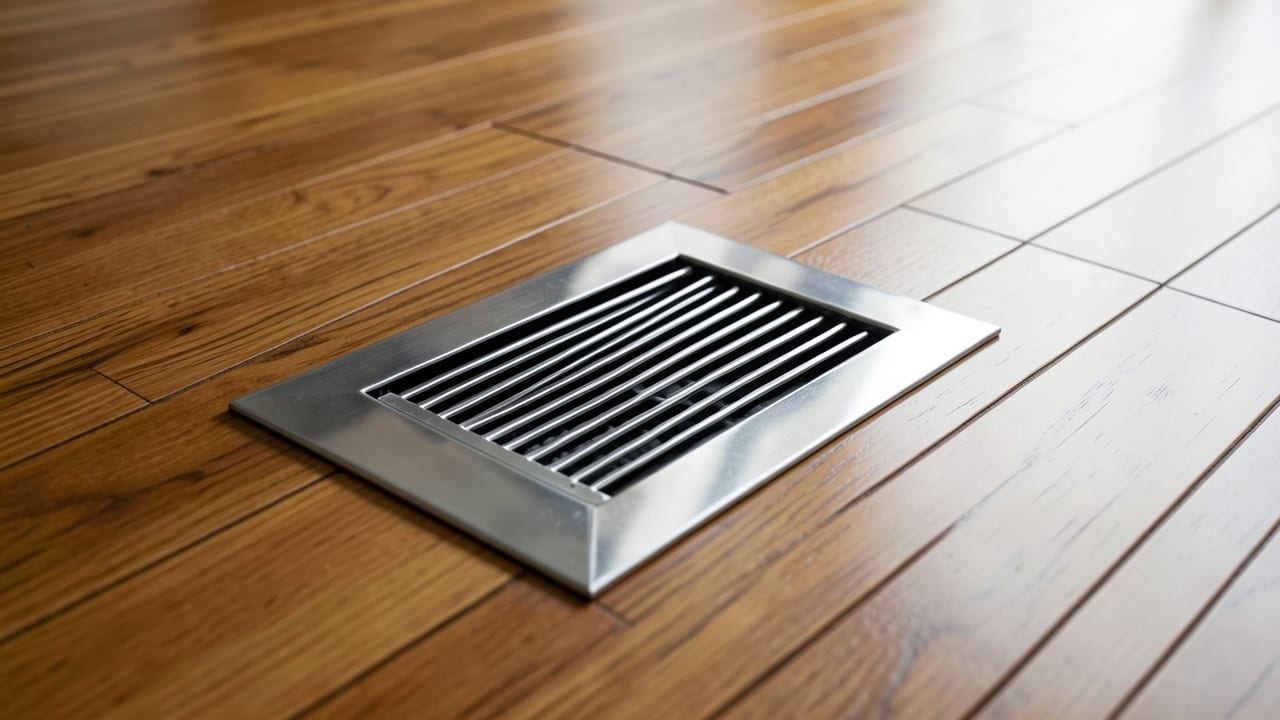
Register cleaning in Bellaire, TX, targets the supply and return vents of your home’s HVAC system to remove accumulated dust, allergens, and debris that restrict airflow and degrade indoor air quality.
Unlike deeper ductwork cleaning, this service focuses on accessible registers and grilles, improving circulation and reducing visible dust buildup in living spaces. Ideal for homes experiencing uneven dust distribution or stale odors tied to the HVAC system, register cleaning is a targeted solution for maintaining clean, efficient airflow.
We also handle Kitchen Exhaust Hood Cleaning and Bathroom Exhaust Fan Cleaning for Bellaire properties.
When to consider register cleaning
Your home’s HVAC system often signals duct issues through visible or olfactory clues rather than what’s hidden inside the ducts. A sudden puff of dust when the system first turns on, or dust resettling on furniture within days of cleaning, suggests active debris circulation through the vents.
Similarly, a musty smell that fades once the system shuts off points to biological growth or trapped moisture inside the ducts.
A room that collects dust faster than others—especially near supply vents—or a fine gray film reappearing on register grilles after wiping, are direct signs of what’s building up just inside the ductwork.
These patterns indicate that dust isn’t settling naturally but is being actively pushed into the space through the vents, making register cleaning a practical next step.
Signs Your Registers Need Cleaning
- Dust visibly puffing from vents when the HVAC turns on, or resettling on surfaces within 1–2 days of cleaning
- A musty or stale odor that appears *only* while the system is running, not when it’s off
- One or more rooms accumulating dust noticeably faster than others, particularly near supply vents
- A fine gray film or buildup on register grilles that reappears quickly after being wiped clean
- Reduced airflow from certain vents, even after replacing the air filter
What affects pricing and timing?
The frequency with which your registers need cleaning depends more on what feeds new dust into the system than on the cleaning itself.
Changing the air filter every 1–3 months (depending on filter type and household conditions) is the single biggest factor—clogged filters force far more dust into the ducts than fresh ones.
Sealing gaps where ducts connect to registers or join in unfinished spaces (like basements or attics) also slows buildup between cleanings.
Industry guidance on how often to repeat register cleaning varies widely—from once a year to once every five years—because the real answer depends on your household, not a fixed schedule.
Homes with pets that shed heavily, or those with open ductwork in dusty areas (like unfinished basements), may need more frequent attention. Including registers in routine vacuuming and grooming pets regularly further reduces how quickly dust accumulates.
How to prepare for your service
Before scheduling register cleaning, clear furniture and valuables from near vents to allow easy access to supply and return registers. Move small rugs or obstructions that might block airflow during the inspection or cleaning process.
If you have pets, keep them away from the work area, as dust dislodged during agitation can settle temporarily.
If your home has a whole-house humidifier or air purifier connected to the HVAC system, notify the technician in advance—these units may need temporary removal or adjustment during the cleaning to avoid damage.
Avoid running the HVAC system for at least 12 hours before the service, as this allows settled dust to resettle, making inspection results clearer and reducing the risk of spreading debris during the process.
Include registers and return grilles in your regular vacuuming routine. Surface dust on these components is a primary source of new debris entering the ducts, and keeping them clean between professional cleanings extends the time between deep cleanings.
How register cleaning works
A thorough register cleaning follows a structured process to ensure dust and debris are removed safely and efficiently.
- 1System Inspection
A camera or mirror inspection of supply and return runs identifies where dust, debris, or biological growth is concentrated. This step ensures the crew targets only the sections needing agitation, avoiding unnecessary disruption to already-clear ductwork.
- 2Register Sealing and Negative-Pressure Setup
Supply and return registers not being worked on are sealed off, and a negative-pressure collection unit is connected to the system. This setup pulls dislodged dust into a HEPA-filtered collection system instead of blowing it into living spaces through open vents.
- 3Mechanical Agitation and HEPA Extraction
A rotary brush or compressed-air whip agitates the ductwork to knock built-up dust from the interior walls. The dislodged material is immediately pulled into the HEPA collection system, capturing fine particulate on-site rather than recirculating it.
- 4Register and Diffuser Cleaning
Each supply and return register, grille, and diffuser is removed and cleaned separately, as these components accumulate pet hair, surface dust, and other debris distinct from what settles deeper in the ducts.
- 5Airflow Verification
After reassembling the system, airflow at several registers is checked against pre-cleaning readings to confirm improved circulation. This step ensures the work addressed the root issue rather than just redistributing dust within the ducts.
Frequently asked questions
How will I know if my registers need cleaning, or if the problem is something else?
Look for dust puffing from vents when the HVAC turns on, or a musty smell that fades once the system shuts off. If one room collects dust faster than others—especially near supply vents—it’s often a sign of active debris circulation through those registers. A fine gray film on grilles that reappears quickly is another direct clue.
Will cleaning the registers improve my allergies or reduce dust in the house?
Yes, if dust and allergens are trapped in the ducts and being pushed into living spaces through the vents. Register cleaning removes surface buildup and improves airflow, which can reduce airborne allergens. However, changing the air filter regularly and sealing duct gaps also play a critical role in long-term improvement.
How often should I have my registers cleaned, and what affects that schedule?
There’s no one-size-fits-all answer—it depends on your household. Homes with pets, open ductwork in dusty areas, or infrequent filter changes may need cleaning every 1–3 years, while others can go 5 years or longer. The key is monitoring for signs like uneven dust distribution or stale odors tied to the HVAC system.
Can I clean my registers myself, or should I hire a professional?
You can wipe down visible grilles and remove surface dust, but professional cleaning involves mechanical agitation, HEPA extraction, and airflow verification—steps that require specialized tools and knowledge. DIY methods often miss deeper buildup or risk spreading dust into living spaces if not done carefully.
Where Bellaire sits, and what the Census lists nearby
Bellaire sits in Texas, and the closest places listed in the U.S. Census Gazetteer are Southside Place (1.6 miles east), West University Place (1.9 miles northeast), Piney Point Village (4.9 miles northwest), Hunters Creek Village (5.2 miles northwest).
Within 25 miles of Bellaire the same source lists 49 distinct incorporated places and census-designated places.
Those figures matter for register cleaning because they are straight-line distances between Census coordinate points: road mileage between Bellaire and Southside Place runs longer than the 1.6 miles shown, which is why quotes for the same job differ between towns that look close together on a map.
Source: U.S. Census Bureau Gazetteer.
See Westbury, TX for more, or take a look at how our Bellaire crew can help across the area for our complete lineup.
Ready to get started?
Talk to a local air duct cleaning pro in Bellaire — get a written quote.
Other Air Duct Cleaning Services in Bellaire
Kitchen Exhaust Hood Cleaning in Bellaire, TX
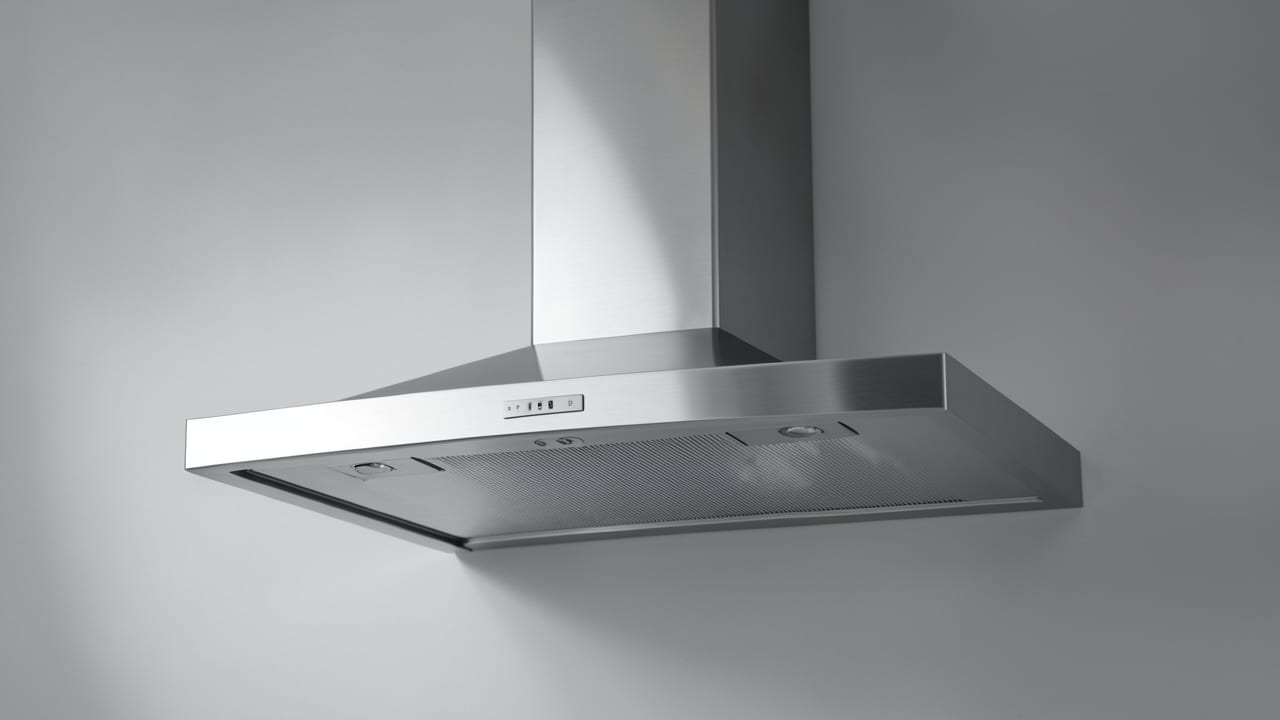
Commercial and residential kitchen exhaust hood cleaning in Bellaire, TX — removes grease buildup from hoods, filters, and ductwork.
Learn More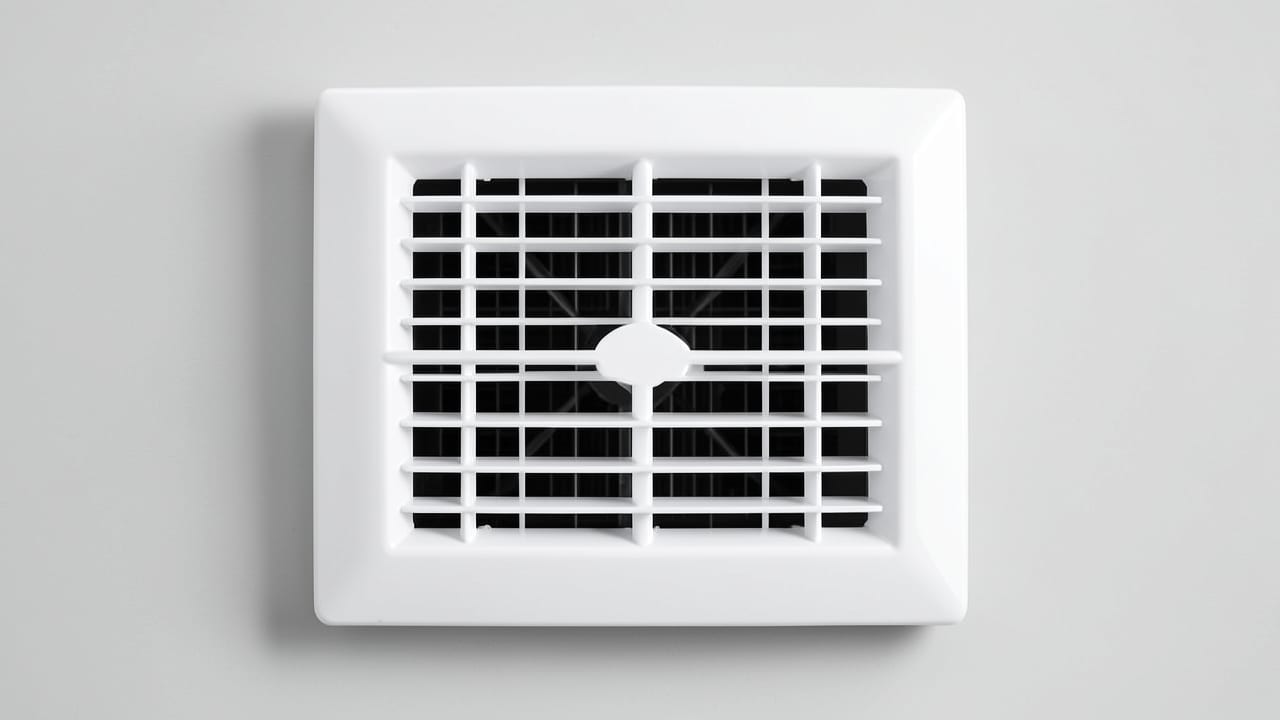
Bathroom Exhaust Fan Cleaning in Bellaire, TX
Bathroom exhaust fan cleaning in Bellaire, TX clears dust and lint from the fan housing and vent run, restoring proper airflow.
Learn More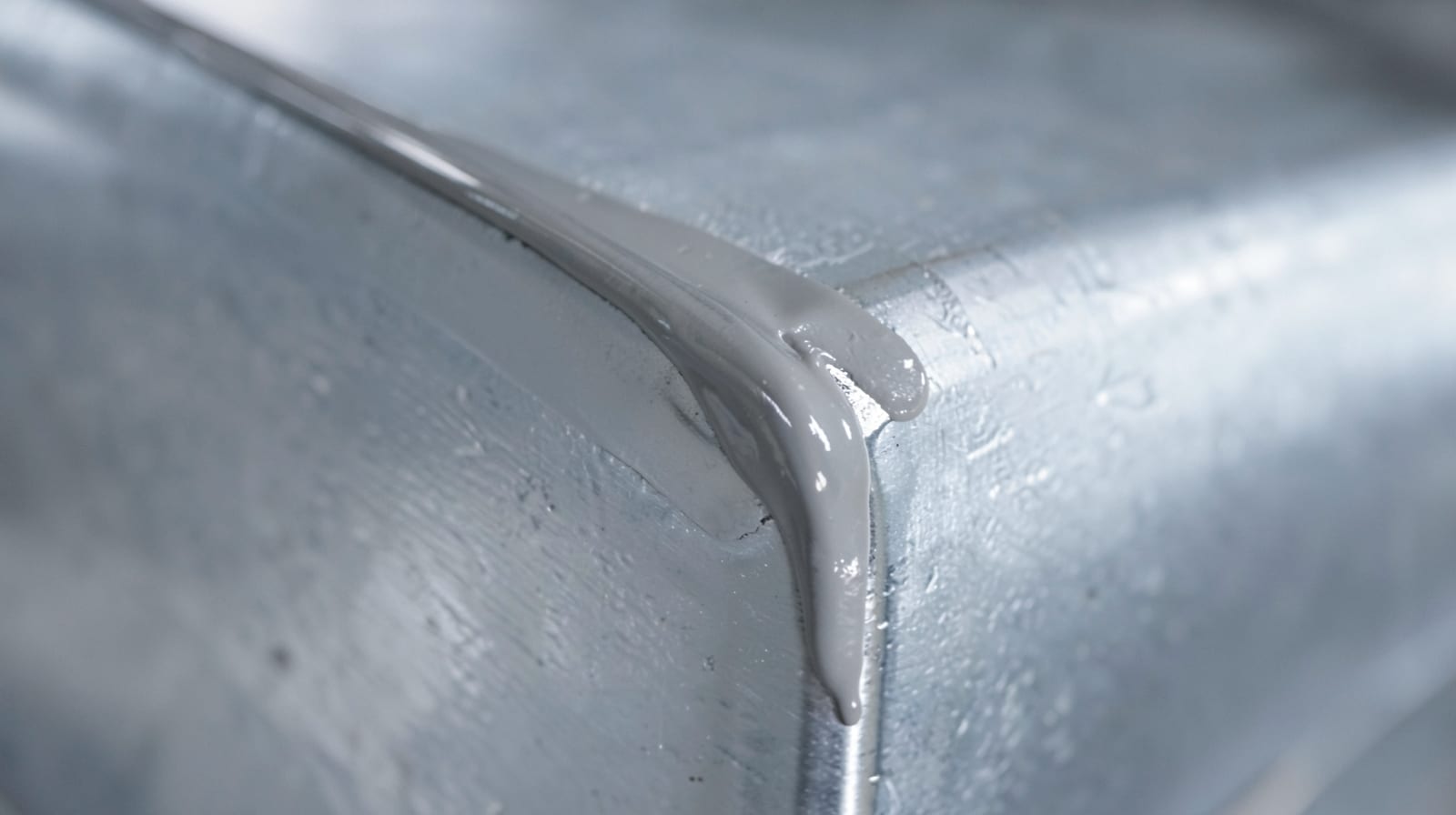
Duct Sealing in Bellaire, TX
Duct sealing in Bellaire, TX closes leaks in supply and return ductwork that waste conditioned air and strain the HVAC system.
Learn More
Furnace & Vent Cleaning in Bellaire, TX
Furnace and vent cleaning in Bellaire, TX clears the burner compartment, blower, and venting of dust and combustion byproducts.
Learn More
Basement Duct Cleaning in Bellaire, TX
Professional cleaning of basement air ducts to remove dust, debris, and contaminants from HVAC systems.
Learn More
Garage Duct Cleaning in Bellaire, TX
Professional cleaning of garage air ducts and HVAC components to improve airflow and indoor air quality.
Learn MoreCommon Questions About Air Duct Cleaning in Bellaire
Everything you need to know about air duct cleaning services in Bellaire
How much does Register Cleaning typically cost in Bellaire, TX?
Can humidity in Bellaire, TX lead to mold growing inside the ductwork itself?
Can air ducts be cleaned with a household vacuum instead of hiring it out?
Is duct cleaning ever covered by a home warranty or insurance policy?
What's the actual difference between duct cleaning and dryer vent cleaning?
Does the cleaning process release dust into the rest of the home?
Need Air Duct Cleaning in Bellaire?
Get a written quote from our Bellaire crew.
⏰ We answer your call • Serving all of Bellaire and surrounding areas