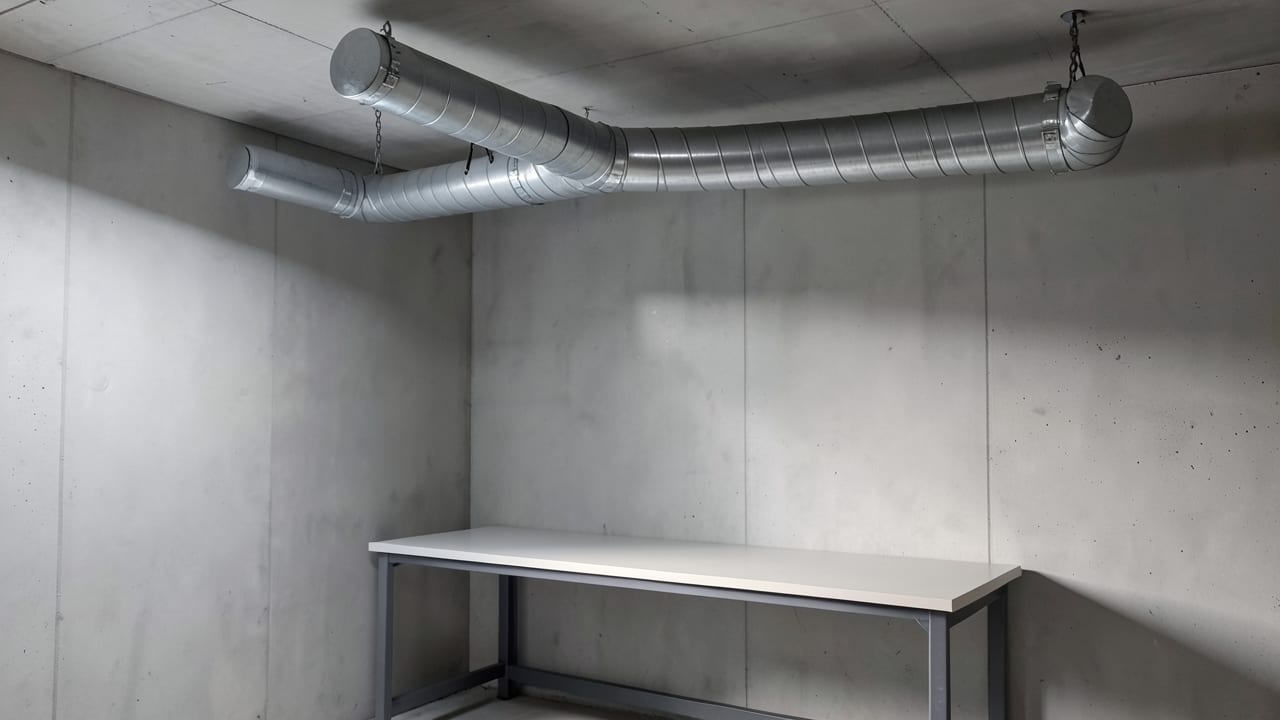
Garage Duct Cleaning
Professional cleaning of garage air ducts and HVAC components to improve airflow and indoor air quality.
Garage duct cleaning in Bellaire, TX targets the often-overlooked HVAC pathways in garage spaces, removing accumulated dust, debris, and contaminants that can circulate into your home.
Unlike whole-house systems, garage ducts often collect unique buildup from tools, vehicles, and stored items, requiring specialized cleaning to restore airflow and improve indoor air quality. This service ensures conditioned air stays clean and efficient, especially for homes near busy streets or with attached garages.
We also handle Bathroom Exhaust Fan Cleaning and Duct Sealing for Bellaire properties.
Why garage ducts need special attention
Garage ducts act as a direct conduit between your home’s HVAC system and the often-dusty, cluttered garage space. Over time, dust from tools, automotive debris, and even stored items like paint cans or garden supplies can settle inside the ducts, restricting airflow and forcing the system to work harder.
Unlike living spaces, garages lack filtration, so contaminants like sawdust, metal shavings, or even rodent droppings can become trapped in the ductwork, only to be blown into your home when the system runs.
The problem often goes unnoticed until you see a puff of dust when the HVAC kicks on or notice a fine gray film reappear on surfaces near supply vents within days. These signs suggest dust is actively being pushed into the room rather than settling naturally.
Garage ducts also face unique risks, like disconnected flex duct sections that can pull loose during cleaning if not inspected first, or moisture buildup from leaks or humidity that promotes mold growth inside the ducts.
Signs Your Garage Ducts Need Cleaning
- A visible puff of dust or debris when the HVAC system first turns on, especially near supply vents in living areas.
- Dust or a fine gray film reappearing on furniture or surfaces within days of cleaning, particularly near garage-adjacent vents.
- A musty or stale smell that’s noticeable only when the system is running, fading once it shuts off.
- Increased allergies, sneezing, or irritation among household members, especially when the system is active.
- Reduced airflow from vents, making rooms feel cooler or warmer than set, or requiring the HVAC to run longer to maintain temperature.
How often should you clean and what affects it?
There’s no one-size-fits-all answer for how often garage ducts should be cleaned—it depends entirely on how much new dust and debris are introduced into the system between cleanings.
Homes with attached garages used for storage, workshops, or vehicle maintenance will see faster buildup than those where the garage is mostly for parking.
Even routine habits, like vacuuming registers or changing HVAC filters every 1–3 months, can extend the time between cleanings by preventing dust from entering the ducts in the first place.
Industry guidelines range wildly from once a year to once every five years, but these recommendations ignore the reality that dust accumulation varies by household.
For example, a home with pets that shed heavily or a garage used for woodworking will need more frequent attention than one where the garage is mostly clean and dry. Sealing gaps at duct connections—common in unfinished basements or attics—can also slow down how quickly dust re-enters the system.
What to watch for during the service
Not all garage duct cleaning methods are equal, and skipping critical steps can turn a thorough cleaning into a dust-spreading exercise. For example, failing to seal off registers and vents not being worked on allows dislodged debris to blow straight into your living space instead of being captured.
Similarly, using a shop vac at individual vents removes far less debris than a whole-system negative-pressure method, which pulls dust from deeper in the ductwork.
Without a before-and-after camera inspection, there’s no way to verify how much debris was actually removed—or if the cleaning just moved dust around inside the ducts.
Another red flag is pressure to add unnecessary treatments, like biocides or UV-light sanitizing, during the visit. These add-ons can sometimes create new problems, such as excess moisture promoting mold growth if not properly dried afterward.
Always ask for an itemized quote upfront to avoid surprises, and confirm whether the service includes inspecting and cleaning the main trunk lines, HVAC coils, and blower—not just the visible vent openings.
Unusually low quotes often mean a shop-vac method was used instead of a full negative-pressure clean. No before-and-after inspection? No way to confirm debris was removed. Pressure to add treatments on the spot can hide poor workmanship or create new issues like mold. Always verify whether the HVAC unit itself (coils, blower) is included or if only the ducts are cleaned.
How garage duct cleaning works
A thorough garage duct cleaning follows a precise process to ensure debris is removed safely and efficiently.
- 1Inspection with Camera or Mirror
A technician uses a camera or flexible mirror to inspect the supply and return ducts, identifying where dust, debris, or biological growth is concentrated. This step ensures targeted cleaning—skipping sections that are already clear avoids unnecessary agitation.
- 2Sealing Off Unused Registers
All supply and return registers not being worked on are sealed to create a negative-pressure environment. This directs dislodged dust into a HEPA-filtered collection unit instead of blowing out into living spaces through open vents.
- 3Mechanical Agitation of Ducts
A rotary brush or compressed-air whip is run through each duct section to knock loose compacted dust and debris from the interior walls. This step is critical, as suction alone cannot remove dust that has settled over years.
- 4HEPA Vacuum Extraction
The dislodged material is pulled into a HEPA-filtered collection system, capturing fine particulate on-site rather than releasing it back into the return air. This ensures the dust doesn’t circulate into your home during cleaning.
- 5Register and Diffuser Cleaning
Each supply and return register, grille, and accessible diffuser is removed and cleaned separately, as these components accumulate surface dust, pet hair, and other debris that doesn’t respond to duct agitation.
Frequently asked questions
How will I know if the garage ducts are the source of the dust in my living room?
Look for a puff of dust when the HVAC first turns on, especially near vents connected to the garage. If dust reappears quickly on surfaces near those vents—faster than in other rooms—it’s likely coming from the garage ducts. A musty smell that fades once the system shuts off is another clue.
Can cleaning the garage ducts improve my allergies or asthma?
Yes, if dust, pet dander, or other allergens are circulating from the garage ducts into your home. A thorough cleaning removes these contaminants, but the improvement depends on whether the ducts were a significant source. Changing filters regularly and sealing duct gaps also help prevent future buildup.
What’s the difference between a whole-home duct cleaning and garage duct cleaning?
Whole-home cleaning covers all ducts in the house, including those in living areas, while garage duct cleaning focuses specifically on the pathways connecting the garage to your HVAC system. Garage ducts often collect unique debris like sawdust or automotive particles, requiring targeted cleaning to avoid pushing contaminants into your home.
Will the service include checking for mold or pests in the ducts?
Yes, a proper inspection will identify visible mold, pest droppings, or signs of infestation. If found, these may require additional remediation beyond standard cleaning, which could affect the total cost. Always ask upfront whether contamination discovery is part of the service.
Where Bellaire sits, and what the Census lists nearby
Bellaire sits in Texas, and the closest places listed in the U.S. Census Gazetteer are Southside Place (1.6 miles east), West University Place (1.9 miles northeast), Piney Point Village (4.9 miles northwest), Hunters Creek Village (5.2 miles northwest).
Within 25 miles of Bellaire the same source lists 49 distinct incorporated places and census-designated places.
Those figures matter for garage duct cleaning because they are straight-line distances between Census coordinate points: road mileage between Bellaire and Southside Place runs longer than the 1.6 miles shown, which is why quotes for the same job differ between towns that look close together on a map.
Source: U.S. Census Bureau Gazetteer.
See Brookside Village, TX for more, or see the air duct cleaning work we do around Bellaire from start to finish for our complete lineup.
Ready to get started?
Talk to a local air duct cleaning pro in Bellaire — get a written quote.
Other Air Duct Cleaning Services in Bellaire
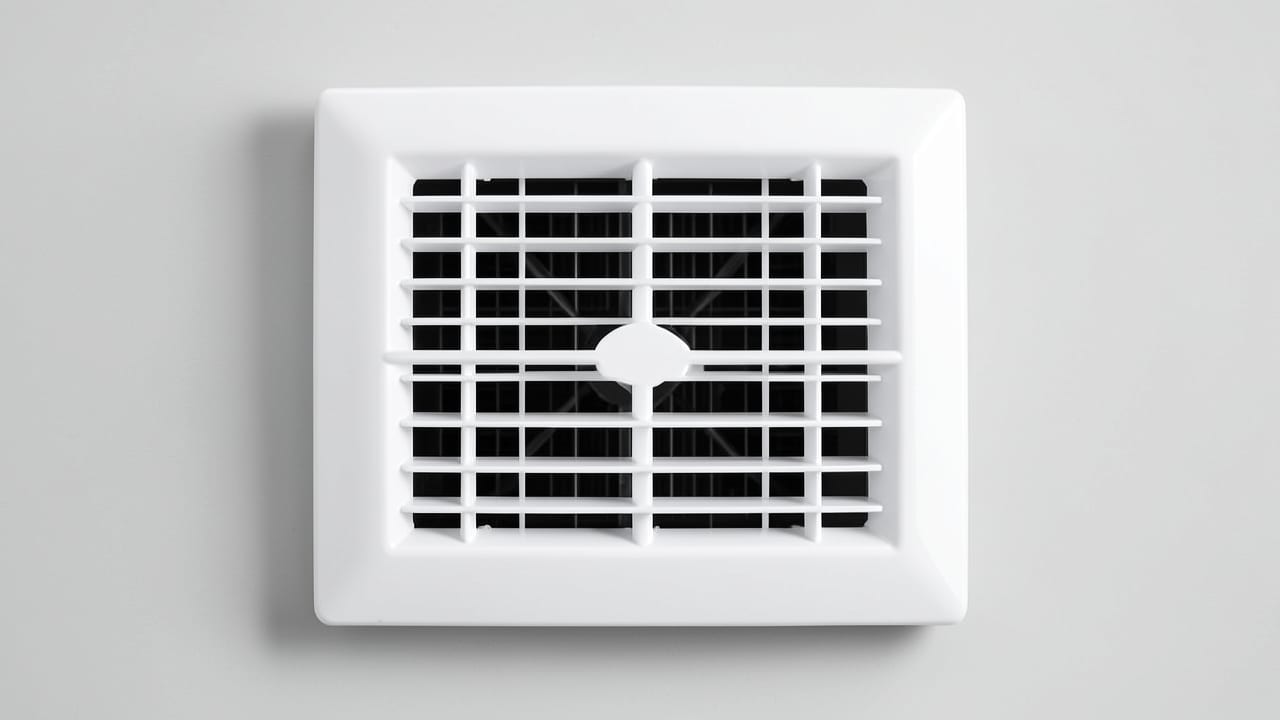
Bathroom Exhaust Fan Cleaning in Bellaire, TX
Bathroom exhaust fan cleaning in Bellaire, TX clears dust and lint from the fan housing and vent run, restoring proper airflow.
Learn More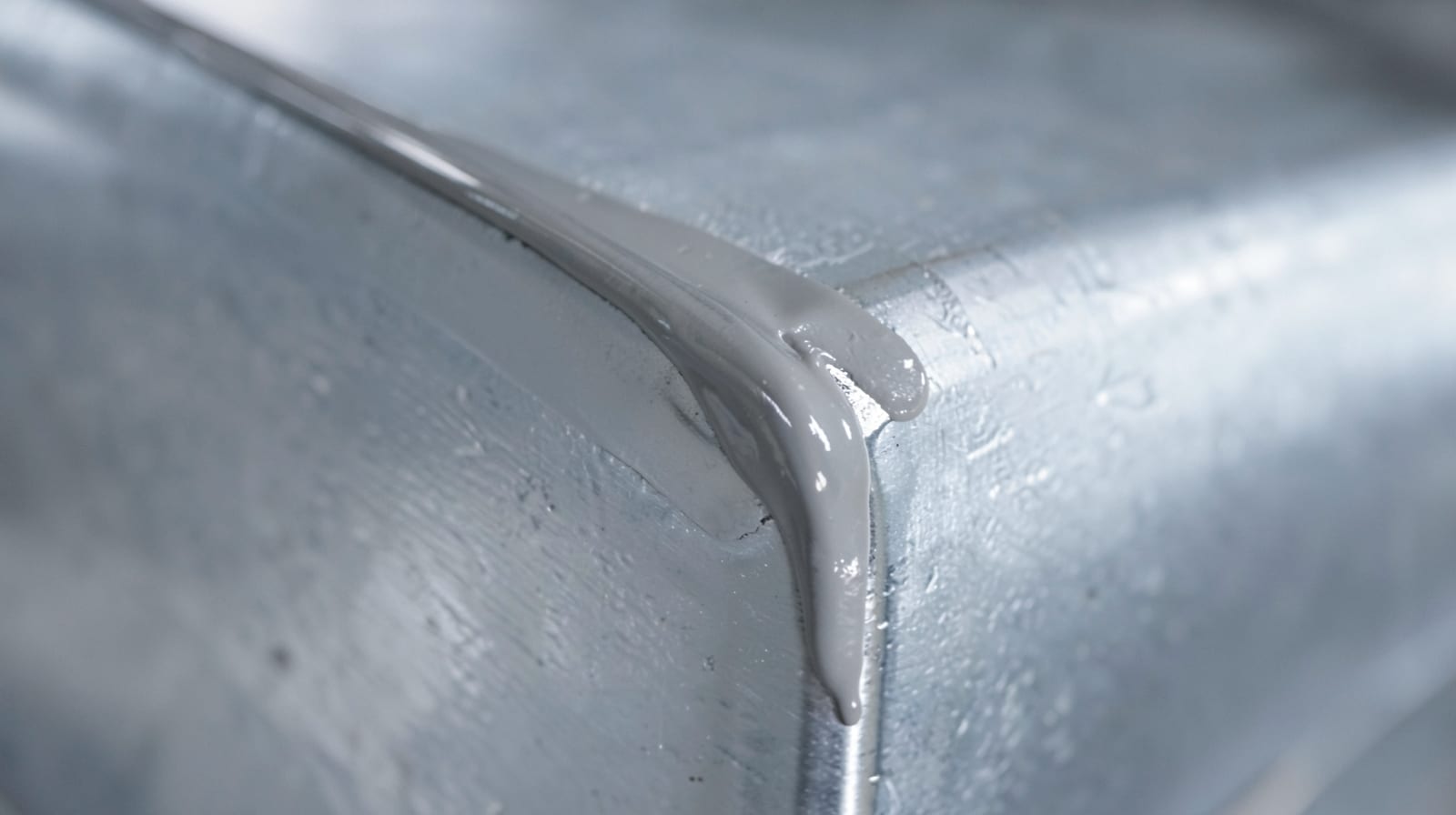
Duct Sealing in Bellaire, TX
Duct sealing in Bellaire, TX closes leaks in supply and return ductwork that waste conditioned air and strain the HVAC system.
Learn More
Furnace & Vent Cleaning in Bellaire, TX
Furnace and vent cleaning in Bellaire, TX clears the burner compartment, blower, and venting of dust and combustion byproducts.
Learn More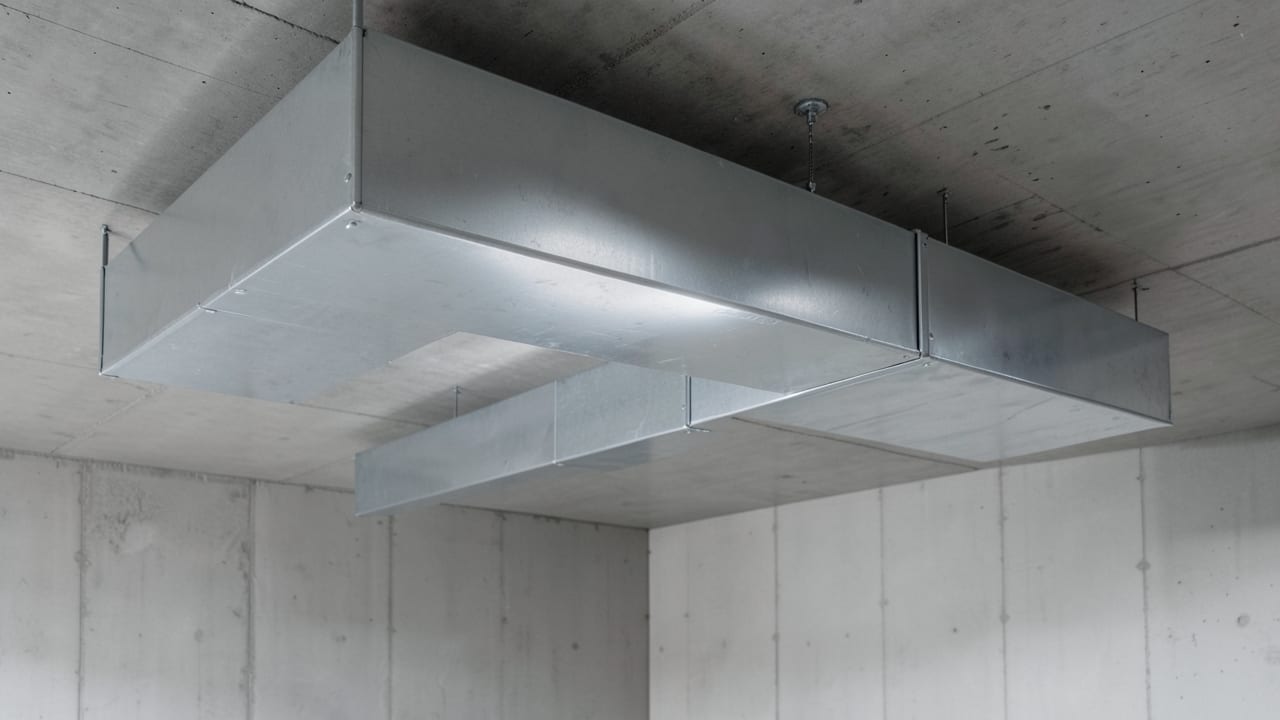
Basement Duct Cleaning in Bellaire, TX
Professional cleaning of basement air ducts to remove dust, debris, and contaminants from HVAC systems.
Learn More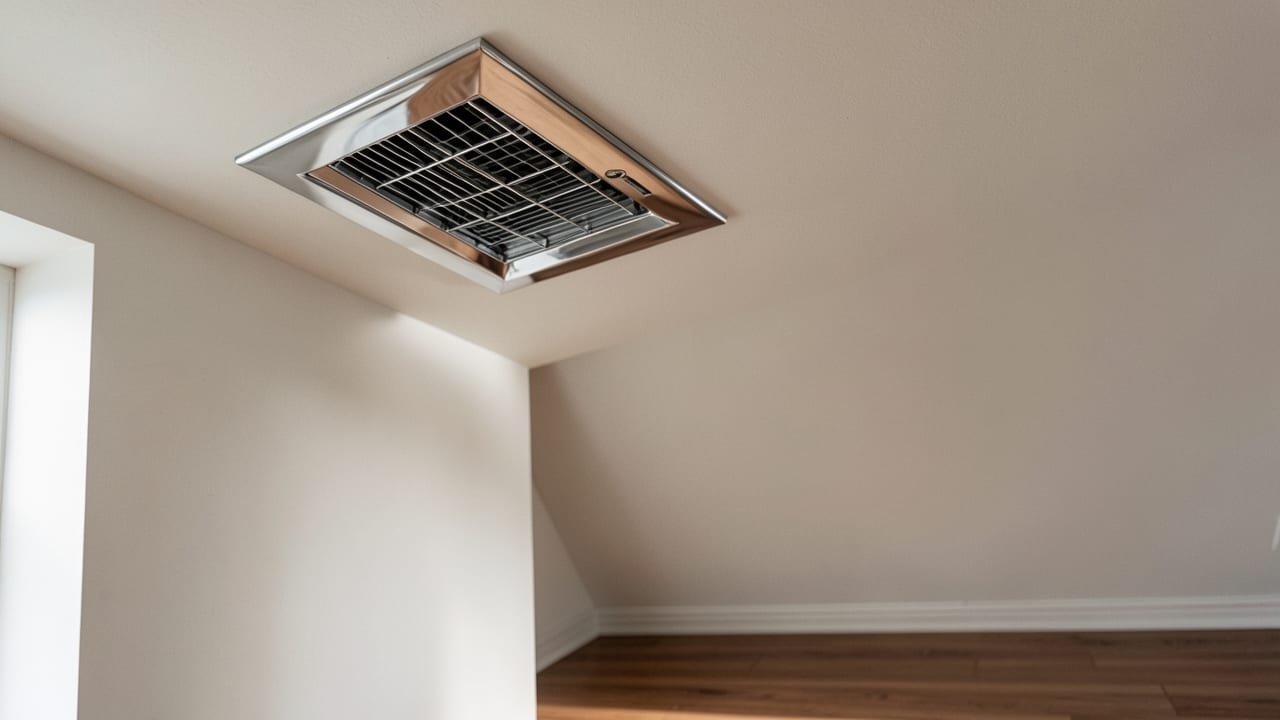
Supply Vent Cleaning in Bellaire, TX
Professional cleaning of supply vents to improve airflow and indoor air quality in HVAC systems.
Learn More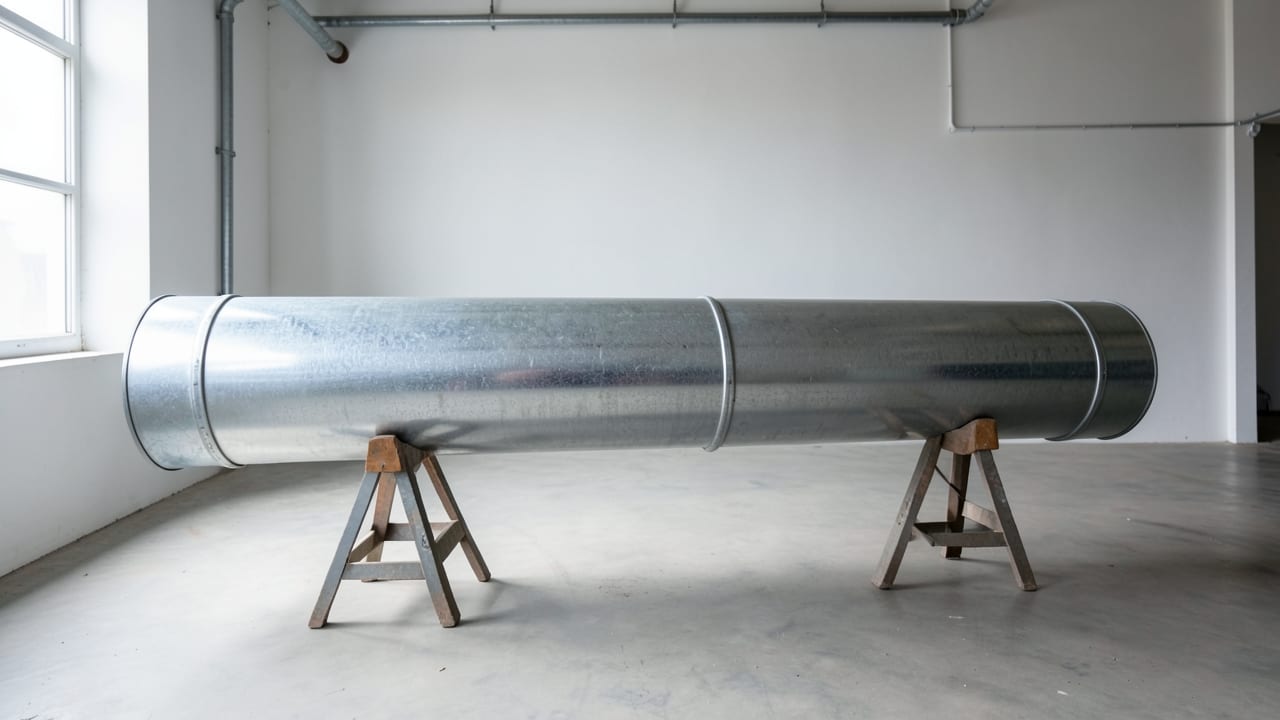
Metal Duct Cleaning in Bellaire, TX
Professional cleaning of metal ductwork to remove dust, debris, and contaminants from HVAC systems.
Learn MoreCommon Questions About Air Duct Cleaning in Bellaire
Everything you need to know about air duct cleaning services in Bellaire
How much does Garage Duct Cleaning typically cost in Bellaire, TX?
Can humidity in Bellaire, TX lead to mold growing inside the ductwork itself?
Does the cleaning process release dust into the rest of the home?
How long does a typical air duct cleaning appointment take?
Can duct cleaning damage older or fragile ductwork?
Does duct cleaning include the coils and blower compartment, or only the ducts themselves?
Need Air Duct Cleaning in Bellaire?
Get a written quote from our Bellaire crew.
⏰ We answer your call • Serving all of Bellaire and surrounding areas