The Science Behind Indoor Air Quality: How Bellaire Residents Can Breathe Easier at Home
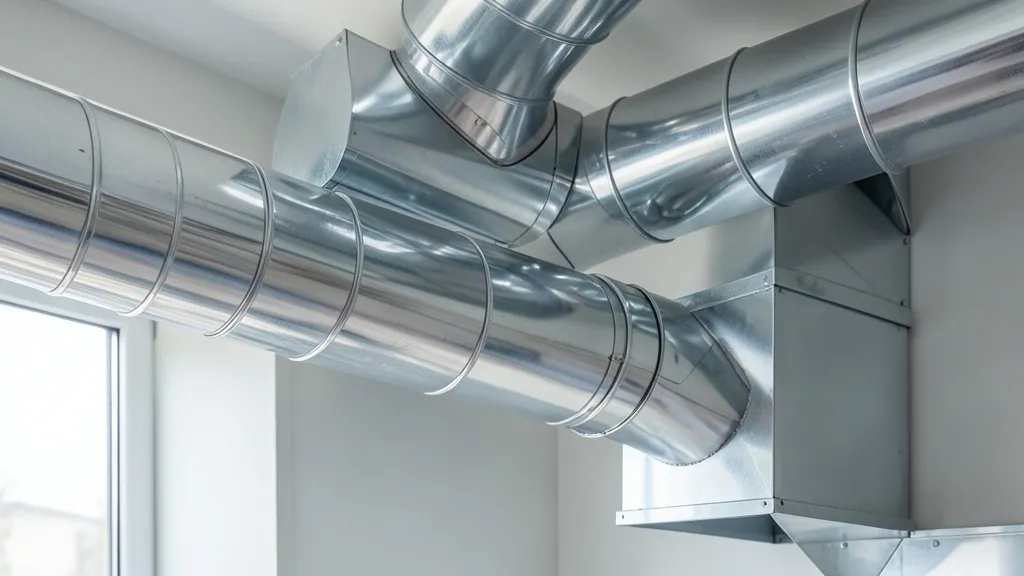
Bellaire’s humid subtropical climate traps pollutants, dust, and allergens in ductwork, circulating them through homes. We break down the science of indoor air quality and how professional air duct cleaning, coil maintenance, and targeted treatments can restore the air you breathe.
Why Bellaire’s Climate Worsens Indoor Air Quality
High humidity in Bellaire fosters mold and mildew growth inside ducts, especially during long, warm summers. These microbes release spores that aggravate allergies and asthma, even when your HVAC runs constantly.
Spring pollen and year-round dust mites hitch rides on air currents, settling in duct linings. Without removal, they’re redistributed every time your system cycles, degrading IAQ over time.
The Hidden Ecosystem Inside Your Ductwork
Ducts accumulate more than dust. Pet dander, insect debris, and even rodent droppings can collect in hard-to-reach bends. These organic materials decompose, releasing VOCs that lower air quality.
Moisture from AC coils or leaks creates ideal conditions for bacterial biofilms. These slimy layers cling to metal surfaces, emitting musty odors and potentially harmful microbes into living spaces.
Persistent odors often signal microbial growth in ducts or coils. Addressing it early prevents costly remediation and health risks down the line.
How Air Duct Cleaning Improves IAQ: The Technical Breakdown
Professional cleaning uses high-powered vacuums and agitation tools to dislodge contaminants from duct walls. HEPA filtration captures particles as small as 0.3 microns, including mold spores and fine dust.
Negative air pressure ensures debris is pulled toward the vacuum, not pushed further into your home. Technicians also clean supply and return registers, where dust often accumulates first.
Duct Cleaning vs. DIY: What Bellaire Homeowners Overlook
Consumer-grade vacuums lack the suction and reach to clean entire duct systems. Flexible ducts, common in Bellaire homes, have deep pleats that trap debris beyond a household vacuum’s capabilities.
Improper cleaning can damage ductwork or dislodge contaminants without fully removing them. Professionals use cameras to inspect ducts pre- and post-cleaning, verifying thoroughness.
| Factor | Professional Service | DIY Approach |
|---|---|---|
| Equipment | HEPA vacuums, rotary brushes, air whips | Household vacuum, basic tools |
| Reach | Full system, including trunk lines and branches | Limited to accessible vents |
| Contaminant Removal | Particles down to 0.3 microns | Surface-level dust only |
| Safety | Prevents duct damage, ensures proper airflow | Risk of punctures, incomplete cleaning |
| Inspection | Pre- and post-cleaning camera checks | No verification of results |
Beyond Cleaning: IAQ Boosters for Bellaire Homes
UV light sanitization installed in ductwork neutralizes microbes as air passes through. It’s especially effective in humid climates like Bellaire, where mold and bacteria thrive.
Replacing disposable air filters every 1-3 months—upgrading to MERV 8-13—captures finer particles. For homes with pets or allergies, we often recommend MERV 13 or HEPA filters in compatible systems.
Dryer vent cleaning removes lint buildup that restricts airflow and poses fire hazards. In neighborhoods like Meyerland or West University Place, older homes often have overlooked vents.
Quick IAQ Upgrades for Immediate Impact
- Schedule annual air duct cleaning, especially before allergy season
- Install a programmable thermostat to reduce HVAC runtime and humidity
- Seal duct leaks to prevent unfiltered air from entering the system
- Consider a whole-house dehumidifier for basements or crawl spaces
When to Test for Mold, VOCs, and Other IAQ Threats
Visible mold, unexplained respiratory issues, or a recent water leak warrant professional IAQ testing. We use air and surface samples to identify spore types and concentrations.
New construction or renovations in Bellaire can introduce high VOC levels from paints, adhesives, or flooring. Testing ensures these chemicals dissipate to safe levels before occupancy.
After heavy rains or flooding common in the Texas Medical Center area, inspect ducts for moisture. Even minor water intrusion can spur mold growth within 48 hours.
Commercial Spaces: Unique IAQ Challenges in Bellaire
Offices, clinics, and retail spaces in Bellaire or Southside Place often have larger, more complex HVAC systems. These require specialized commercial duct cleaning to maintain airflow and IAQ standards.
High foot traffic introduces more contaminants, while variable occupancy demands precise ventilation control. Regular coil cleaning and filter maintenance are critical to prevent system strain and poor air quality.
How to Check Your Ducts for IAQ Red Flags
A quick visual and sensory inspection can reveal whether your ducts need attention.
- 1Remove and Inspect Vent Covers
Use a screwdriver to unscrew a few supply and return registers. Look for dust buildup, mold spots, or debris in the first few inches of ductwork.
- 2Sniff for Odors
Turn on the HVAC and stand near vents. Musty, stale, or burning smells often indicate mold, mildew, or accumulated lint in ducts or coils.
- 3Check for Uneven Airflow
Hold a tissue near each vent. Weak or inconsistent airflow may signal blockages or duct leaks, which degrade IAQ and system efficiency.
- 4Look for Visible Mold or Moisture
Inspect duct surfaces, especially near joints or insulation. Dark spots or condensation suggest microbial growth or poor drainage from the AC coil.
- 5Review Filter Condition
A clogged filter restricts airflow and allows contaminants to bypass the system. If it’s gray or black after a month, your ducts likely need cleaning.
Frequently Asked Questions
How often should Bellaire homeowners clean their air ducts?
We recommend every 3-5 years for average homes, but households with pets, allergies, or recent renovations may need it every 2-3 years. High humidity or past water damage can also shorten the interval. Request a quote to assess your system’s condition.
Can dirty ducts really make my family sick?
Yes. Contaminants like mold spores, dust mites, and VOCs can trigger allergies, asthma attacks, and respiratory infections. Children, the elderly, and those with compromised immune systems are especially vulnerable to poor IAQ.
Does air duct cleaning help with energy bills?
Indirectly, yes. Clean ducts improve airflow, reducing the strain on your HVAC system. This can lower energy consumption, especially in Bellaire’s hot summers when systems run almost nonstop. The exact savings depend on your system’s condition and efficiency.
What’s the difference between duct cleaning and coil cleaning?
Duct cleaning targets the entire ductwork system, while coil cleaning focuses on the evaporator and condenser coils in your HVAC unit. Dirty coils reduce efficiency and can harbor mold, but they’re often overlooked during standard maintenance.
Are UV lights safe for my Bellaire home’s HVAC system?
Yes, when installed by professionals. UV-C lights are contained within the ductwork or air handler, where they sanitize air without producing ozone. They’re a safe, chemical-free way to reduce microbes in humid climates like ours.
Do you serve areas near Bellaire, like West University Place or Meyerland?
Absolutely. Our team provides air duct cleaning, dryer vent cleaning, and IAQ services across Bellaire and neighboring communities, including West University Place, Southside Place, Meyerland, and Braes Heights.